

Introduction: The Cinematic Gaze Beyond the Screen
Cinema has always extended beyond the screen.
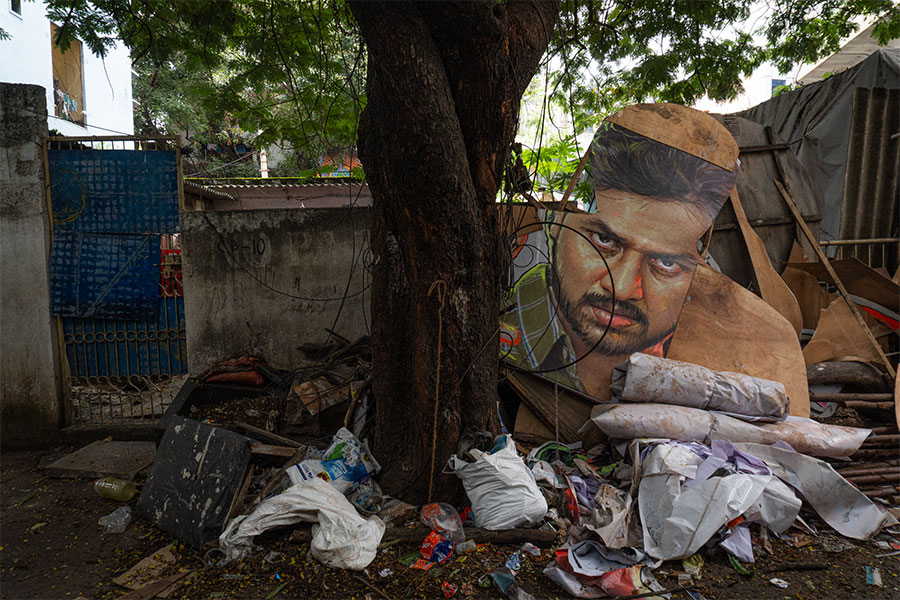
Figure 1: The cinematic gaze of a discarded cut-out
Outside theaters, towering movie cut-outs once stood as powerful symbols of celebration, excitement, and admiration. These large, hand-painted visuals welcomed audiences and created anticipation long before a film began.
Behind these striking displays are artists whose work has shaped cinema culture for decades. Though often unnoticed, their craft transformed film promotion into a powerful visual and cultural experience.
The Craft Behind the Scale
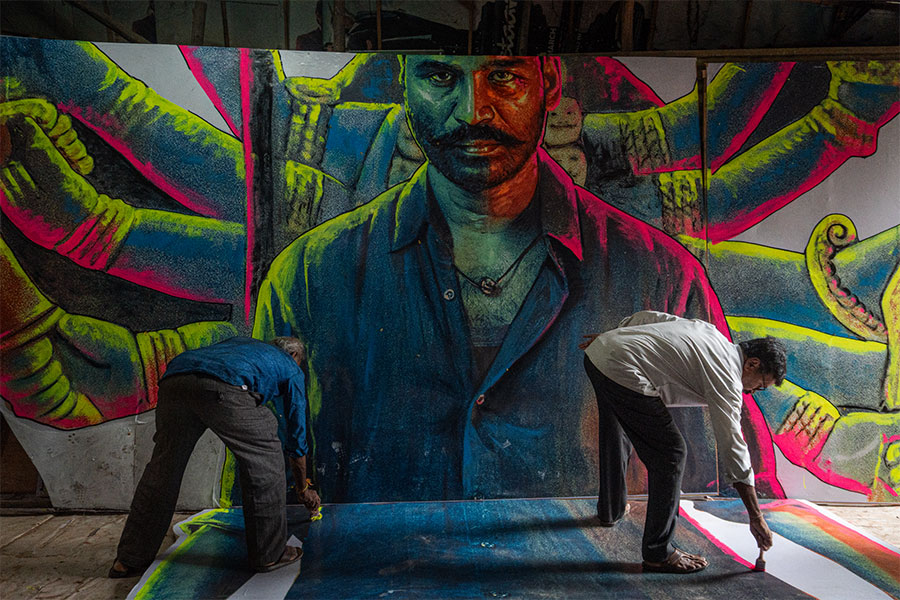
Figure 2: rtists bring a cinematic icon to life on a vibrant, larger-than-life mural
Movie cut-out artists specialize in painting and constructing large-scale representations of actors and film scenes.
Their work requires more than artistic skill. It demands precision, patience, and a deep understanding of color, proportion, and visual impact.
Each cut-out begins as a small reference image and is carefully scaled into a massive, hand-painted structure. Despite the size, artists maintain intricate details that capture both likeness and emotion.
For years, these handcrafted creations were an essential part of the movie-going experience, especially in regions where cinema is celebrated with great enthusiasm.
A Shift Towards Digital
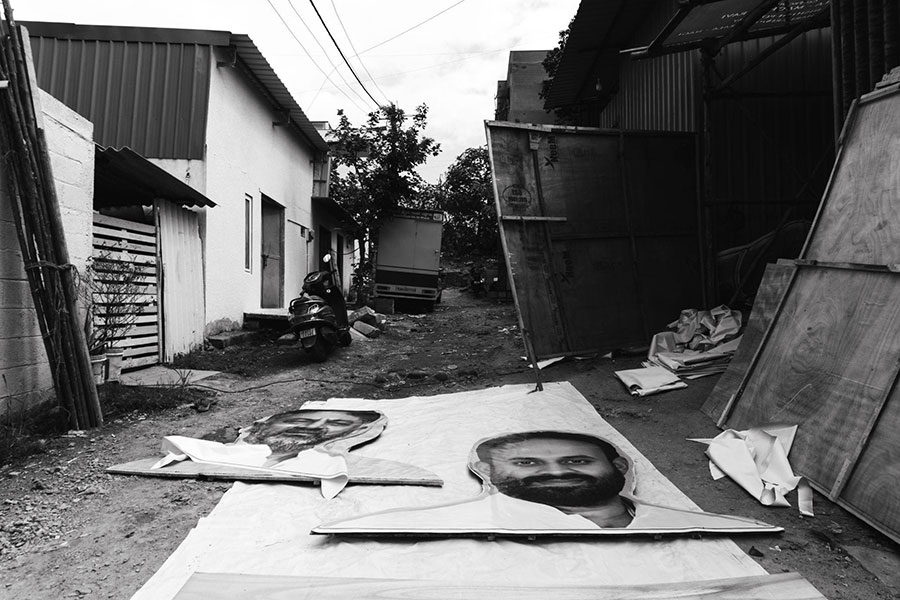
Figure 3: Cut-outs of politicians lying on the ground
With the rise of digital technology, film promotion has changed dramatically.
Digital printing, computer-generated designs, and flex banners have become the preferred methods due to their speed, affordability, and convenience.
As a result, traditional hand-painted cut-outs are gradually disappearing. What was once a dominant visual presence outside theaters is now being replaced by machine-made alternatives.
Lives in Transition
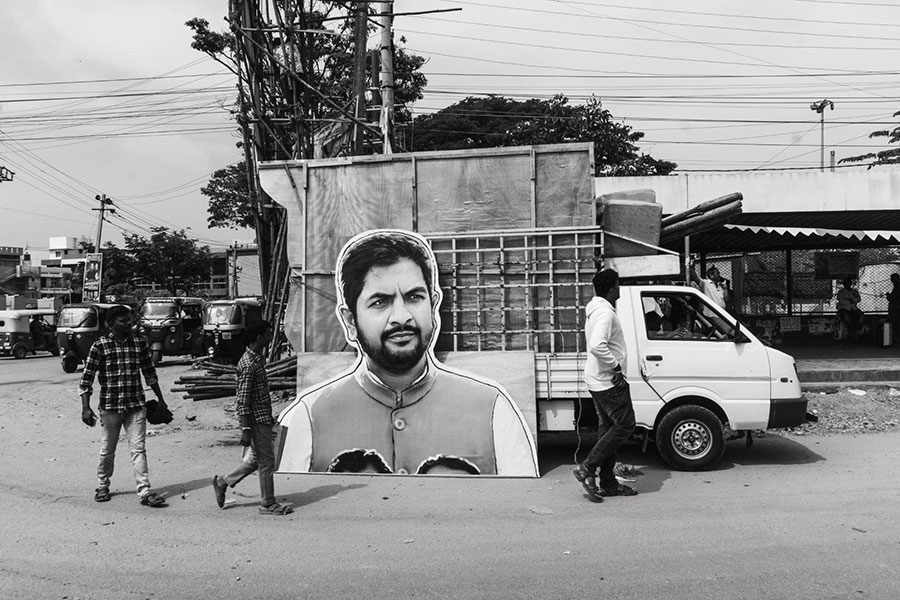
Figure 4: A cut-out of a politician,unloaded from the truck
This shift has deeply impacted the artists who once depended on this craft for their livelihood.
Many are now forced to move away from their passion in search of stable income. Some take up other forms of labor, while others try to adapt to digital tools, which can be challenging for those rooted in traditional techniques.
The decline of this craft is not just economic, but also emotional and cultural. It reflects the loss of a practice built through years of experience and dedication.
Stories of Resilience
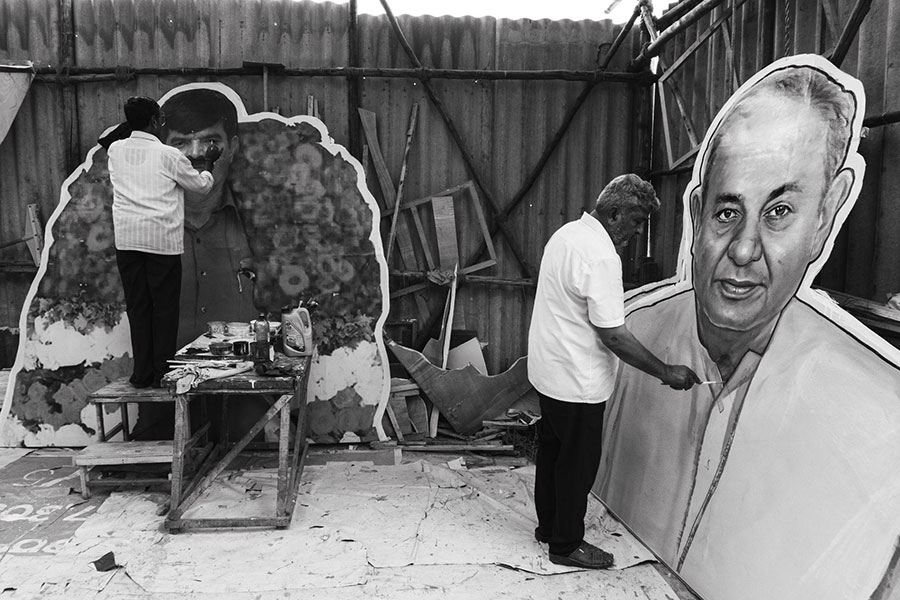
Figure 5: Despite these challenges, some artists continue their work with strong commitment.
Their efforts reflect resilience and a deep connection to their craft. Through documenting their lives and creative processes, this project brings visibility to a community that is slowly fading.
Each story highlights not only struggle, but also pride in preserving a traditional art form.
Reflection: Progress and Preservation
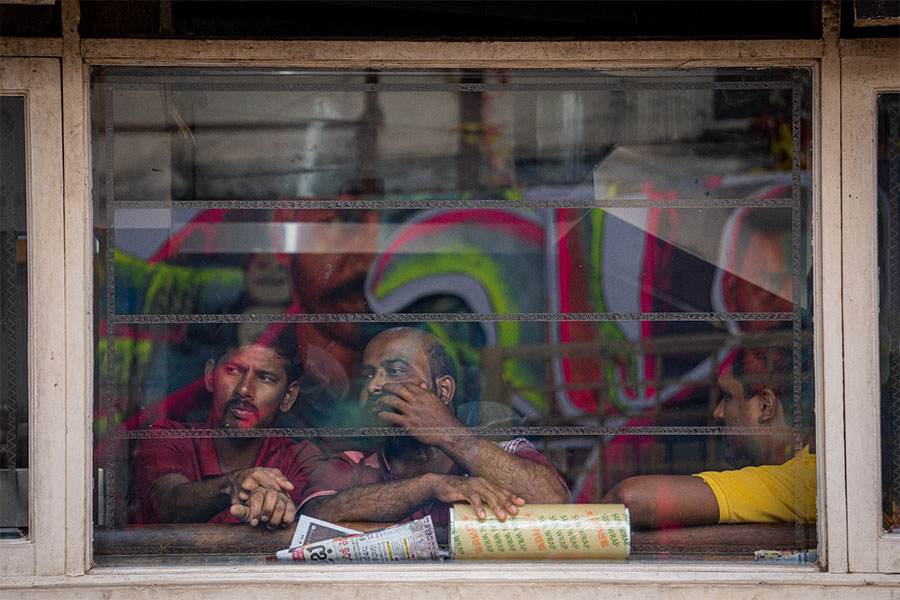
Figure 6: Audiences watching the installation of cutouts
The impact of digitalization is complex.
While it offers efficiency and accessibility, it also raises concerns about the survival of traditional practices. This project explores the balance between progress and preservation.
It encourages viewers to reflect on what is gained and what is lost as industries evolve.
Conclusion
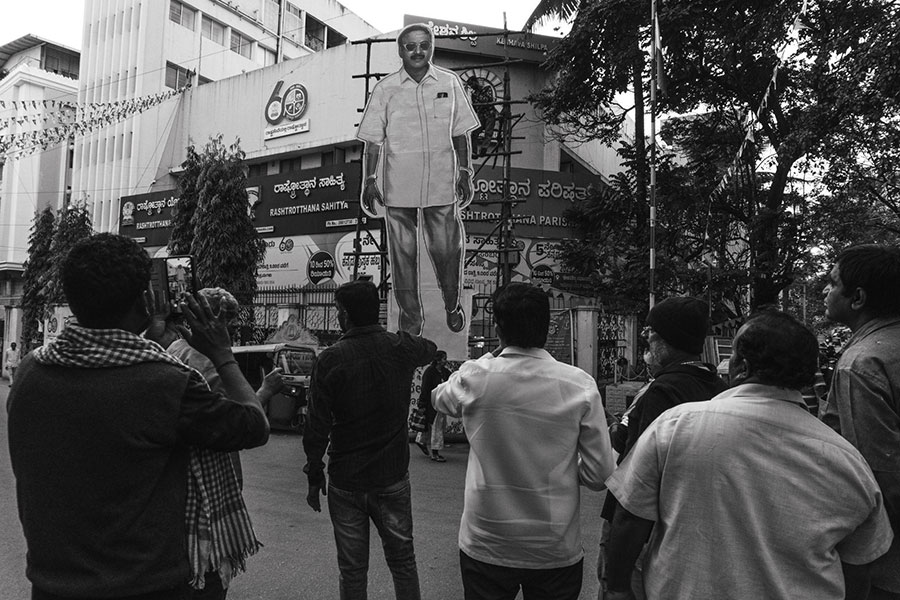
Figure 7: The story of movie cut-out artists is a powerful reflection of change.
For decades, these artists shaped the visual identity of cinema through large, hand-painted displays that defined public spaces. Today, the shift toward digital methods has pushed this craft toward disappearance.
By documenting these artists and their work, this project aims to preserve their legacy and acknowledge their contribution to visual culture. It serves as a reminder that behind modern visual media are individuals whose skills and stories deserve to be seen, valued, and remembered.
Explore more student project blogs to see how innovative ideas are brought to life.